16–28 October 1962
Thirteen days. A world
on the brink.
Missiles in Cuba. Ships in the Atlantic. Nuclear forces on alert in Britain. Follow the decisions that brought the world to the edge of war, and the negotiations that brought it back.


01 / The story
A crisis with more
than two sides.
For Kennedy, Soviet missiles in Cuba were an unacceptable threat. For Khrushchev, their deployment could protect an ally and alter the nuclear balance. For Castro, the prospect of another American invasion was real.
Britain was part of this dangerous geography. Its leaders were consulted, its bombers prepared, and its RAF crews operated American Thor missiles on British soil. This is their story too.
Sources for this passage: [1] [2] [3] [4] [5] [6]Before October
Revolution in Cuba, the Bay of Pigs, Operation Mongoose and the Soviet decision to deploy nuclear missiles.
CHAPTER 02Discovering the missiles
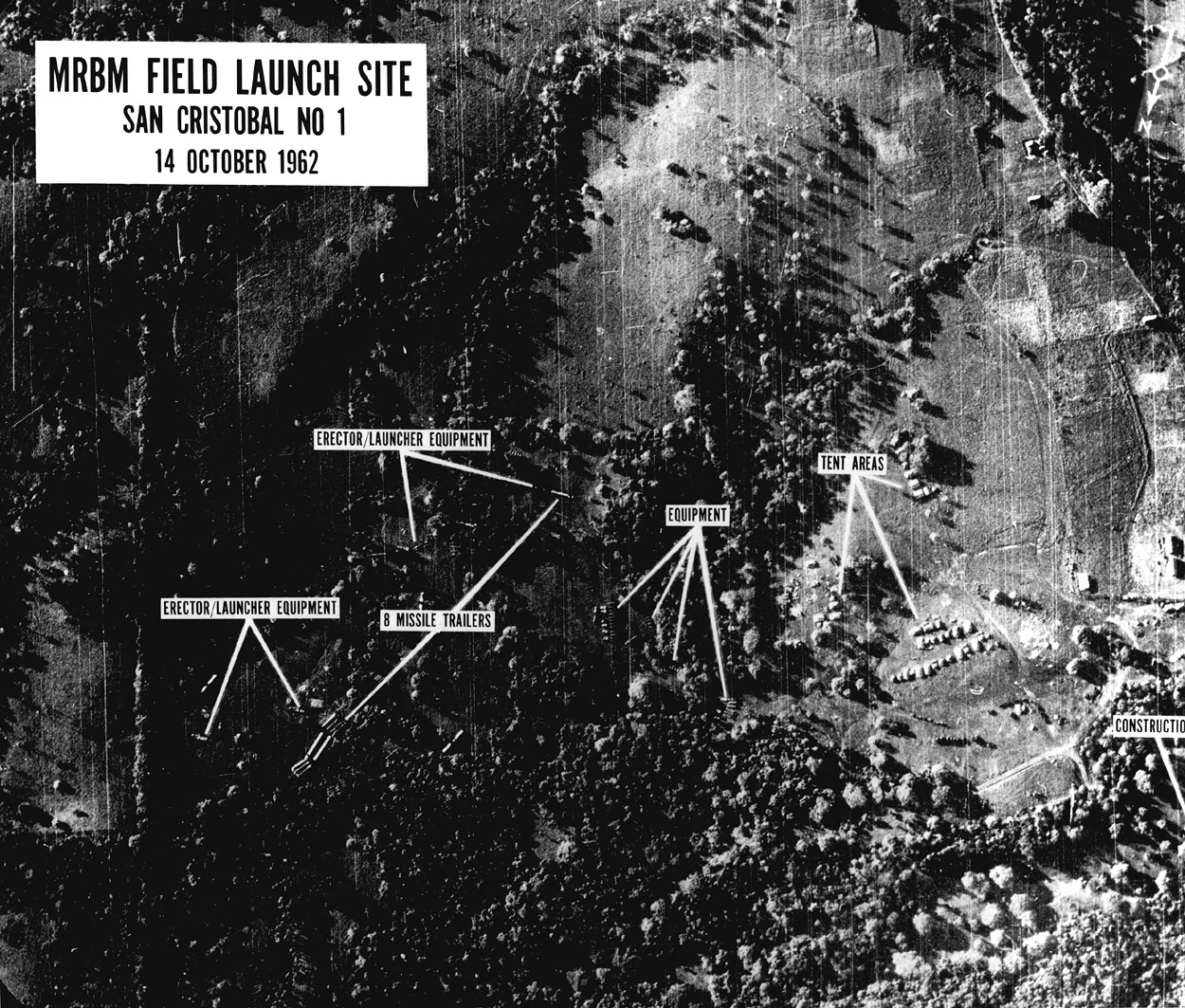
How reconnaissance photographs became evidence of Soviet nuclear missile deployments—and what they could not reveal.
CHAPTER 03The naval quarantine
Why Kennedy chose a naval interception operation, how it worked, and why diplomacy remained essential.
CHAPTER 0427 October
A U-2 shot down, another lost over Soviet territory, a submarine encounter, and urgent negotiations.
CHAPTER 05How the crisis was settled
The public agreement, the private assurance about Turkey, and the work still unfinished on 28 October.
CHAPTER 06After 28 October
Why the settlement took weeks to implement, and how the crisis changed efforts to manage nuclear danger.
02 / Britain and the crisis
The Cold War,
closer to home.
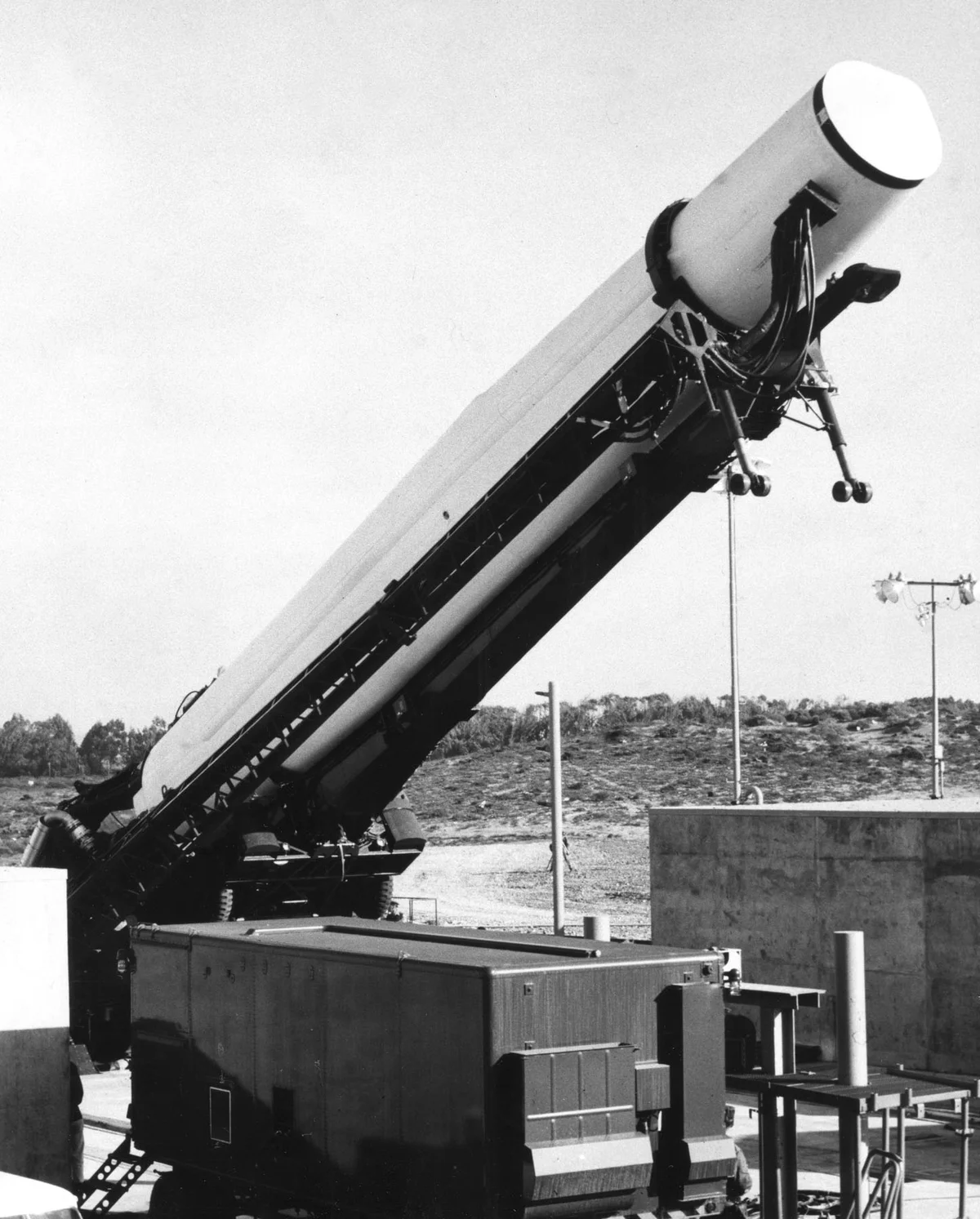
Across eastern England, RAF stations housed a nuclear force with a role in the confrontation. Explore Project Emily, the people who operated Thor, and Macmillan’s relationship with Kennedy.


03 / People and decisions
History made by people.
The machines behind the crisis
Missiles, aircraft and ships.
From the Soviet R-12 to Britain’s V-bombers and the submarine B-59: what they were, where they were and why they mattered.
Explore the equipment →Watch with context
Documentaries and films.
A viewing guide to eyewitness accounts, historical dramas and Cold War fiction, with links to the historical record.
Browse the viewing guide →Explore the geography
The crisis on a map.
Missile areas, the quarantine line, dated ship positions and the difference between deployed and planned missile ranges.
Open the interactive map →Britain, Italy and Turkey
Thor and Jupiter ranges.
Compare Europe’s missile deployments, with selectable range boundaries and a choice of all twenty RAF Thor stations.
Explore the European map →Look at the evidence
Reading the photographs.
Examine two original reconnaissance photographs with numbered explanations of the equipment and features identified by analysts.
Explore the photographs →Follow the evidence.
Read the letters, examine the photographs, and distinguish what people knew at the time from what emerged later.
Explore the sources →Sources for this page6 references
Numbers refer to the passages above. Open a title to read the source, or use a return link to go back to its citation.
- JFK Library: The Bay of Pigs↩ Back to text
- FRUS XI, document 10: Operation Mongoose, 8 October 1962↩ Back to text
- National Security Archive: Nuclear Crisis Lasted 59 Days, Not Just 13↩ Back to text
- Khrushchev to Kennedy, 27 October 1962↩ Back to text
- RAF Historical Society Journal 32: Thor range, deployment and station table, pp. 74–81↩ Back to text
- Historic England: RAF Harrington Thor missile site, list entry 1400809↩ Back to text